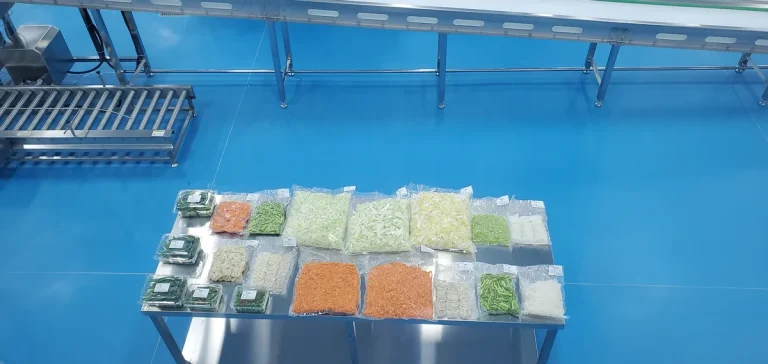
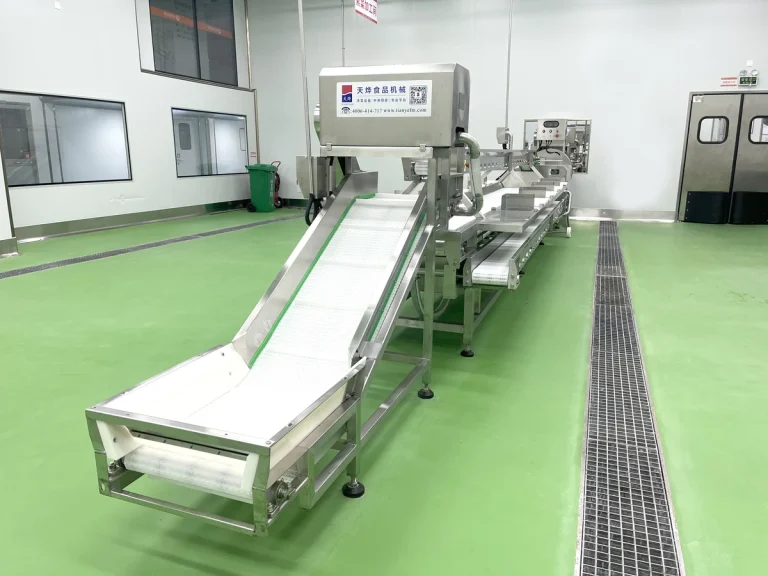
Food Processing Equipment Factory Acceptance Test: How to Run a FAT Before Shipment
Summary A food processing equipment factory acceptance test is a pre-shipment verification event in which the buyer and
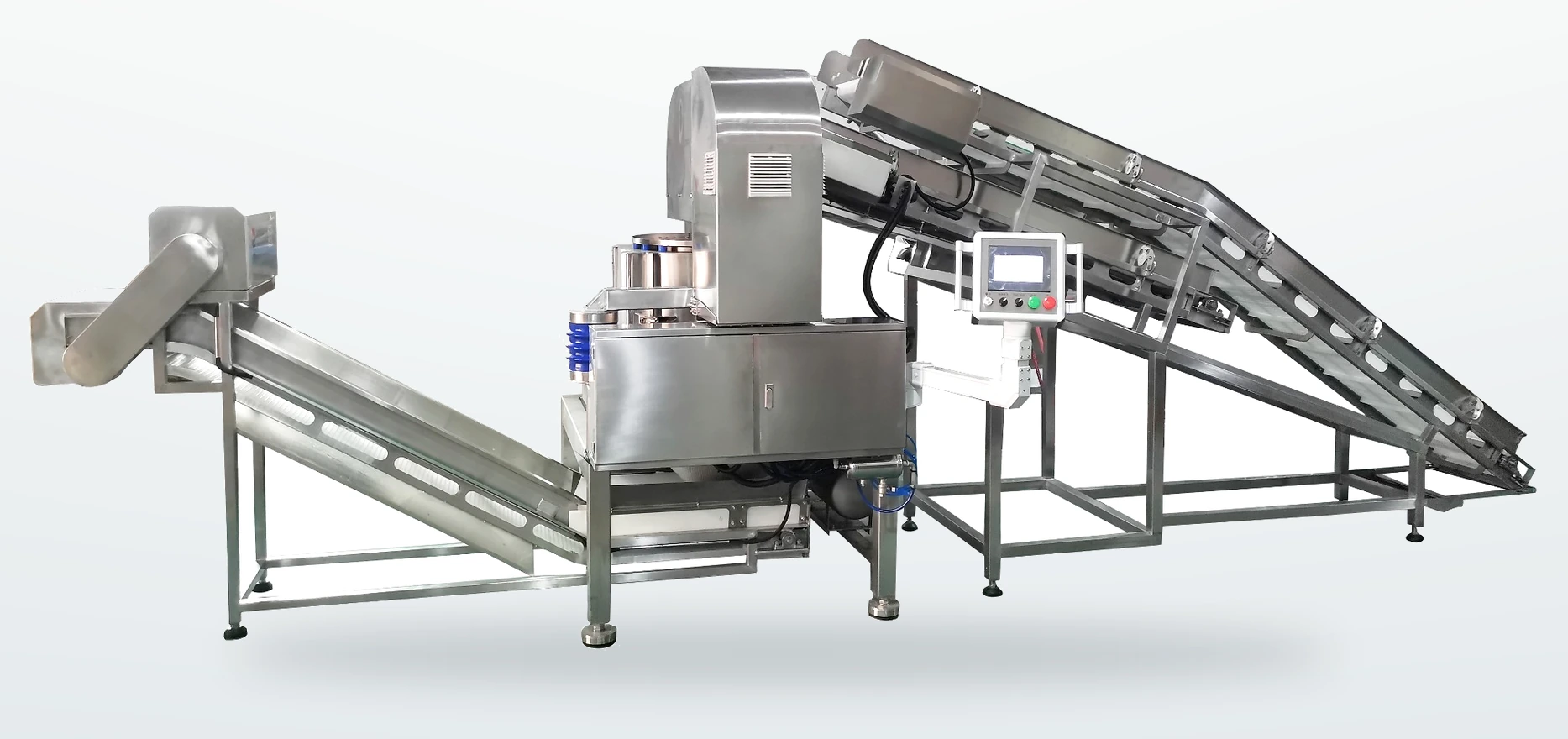
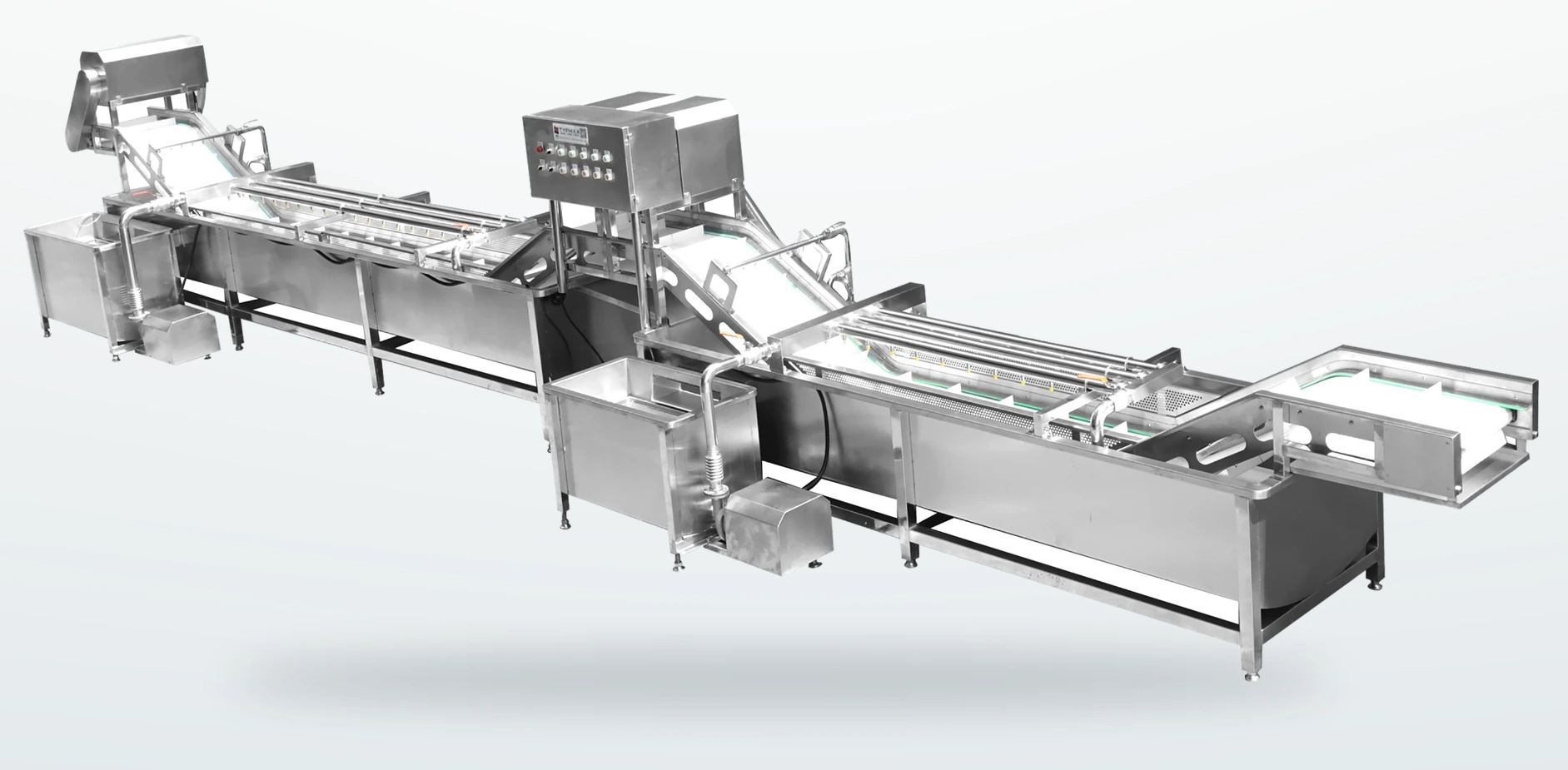
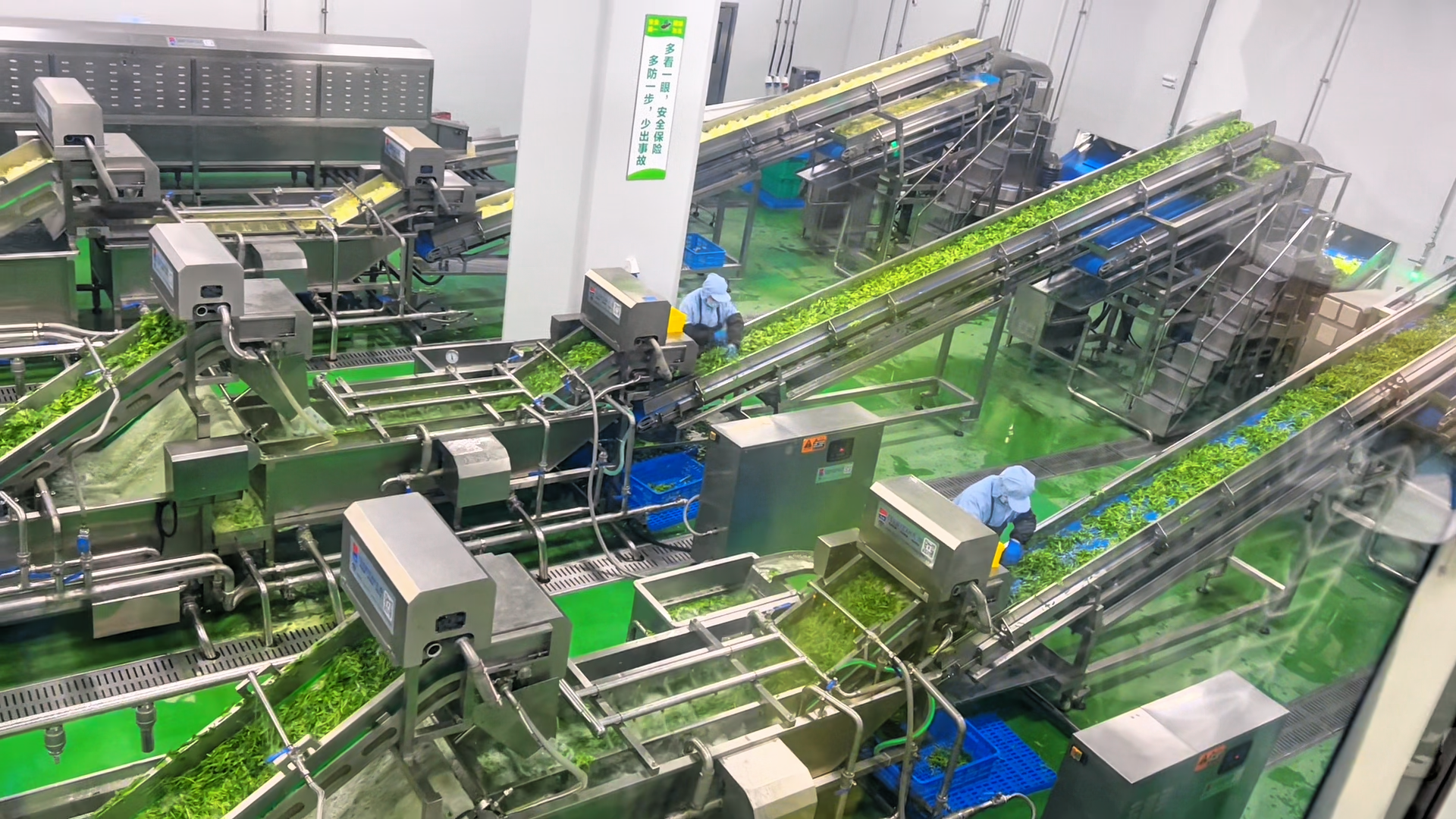
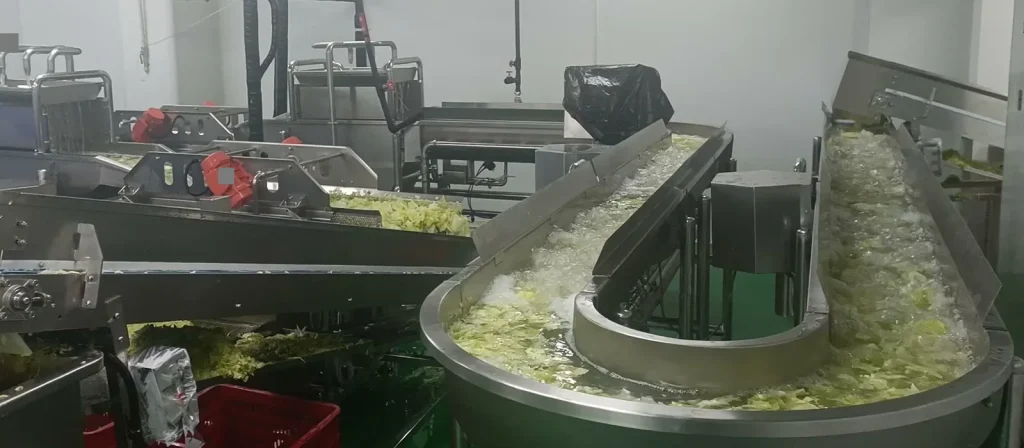
Configure washing, controlled treatment, dewatering and hygienic transfer around delicate leafy vegetables, target output and required pack condition.
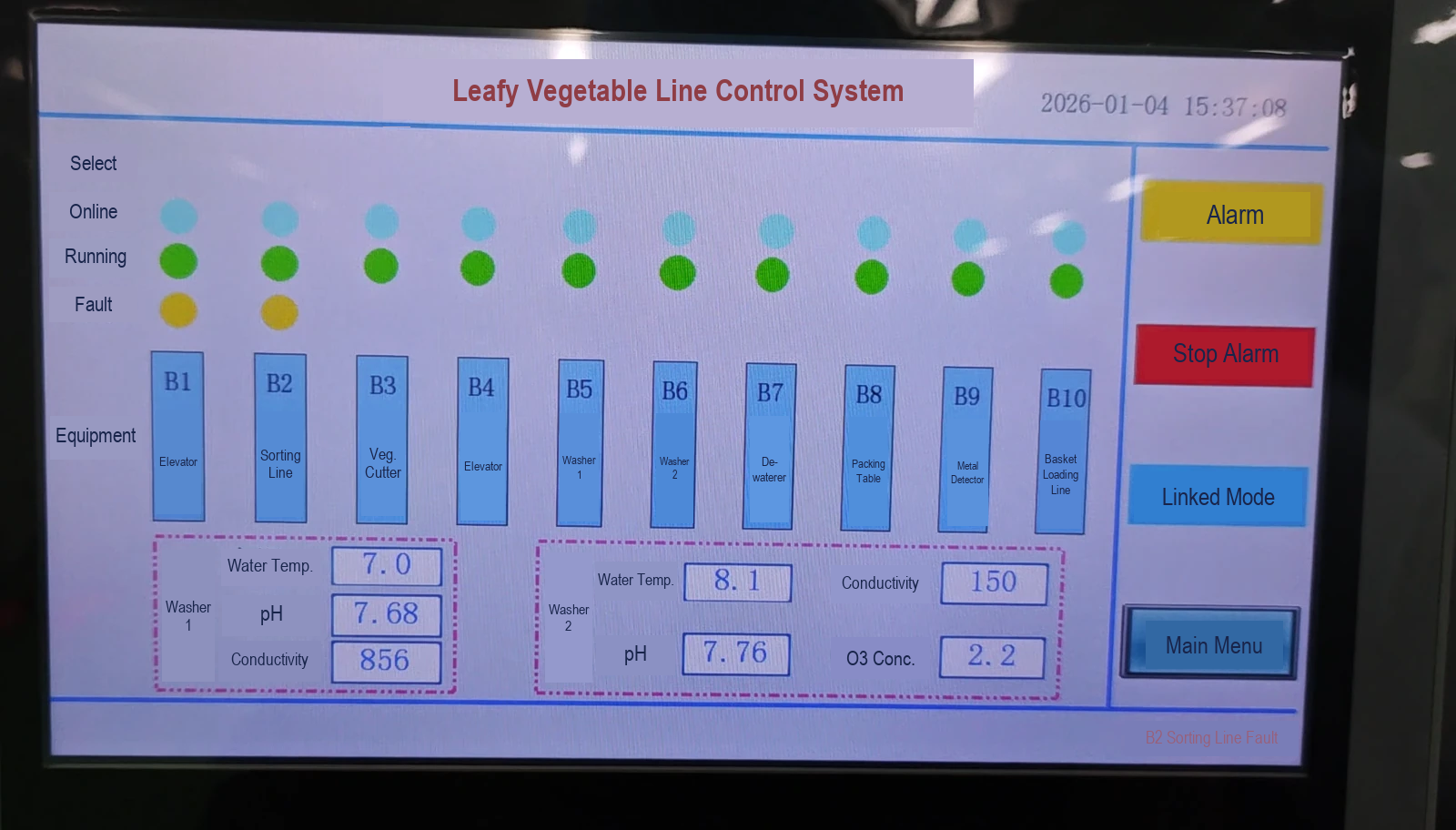
Adjustable centrifugal speed and programmable profiles support gentle dewatering of washed, delicate salad vegetables, with project-defined integration into centralized line controls and IoT data interfaces.
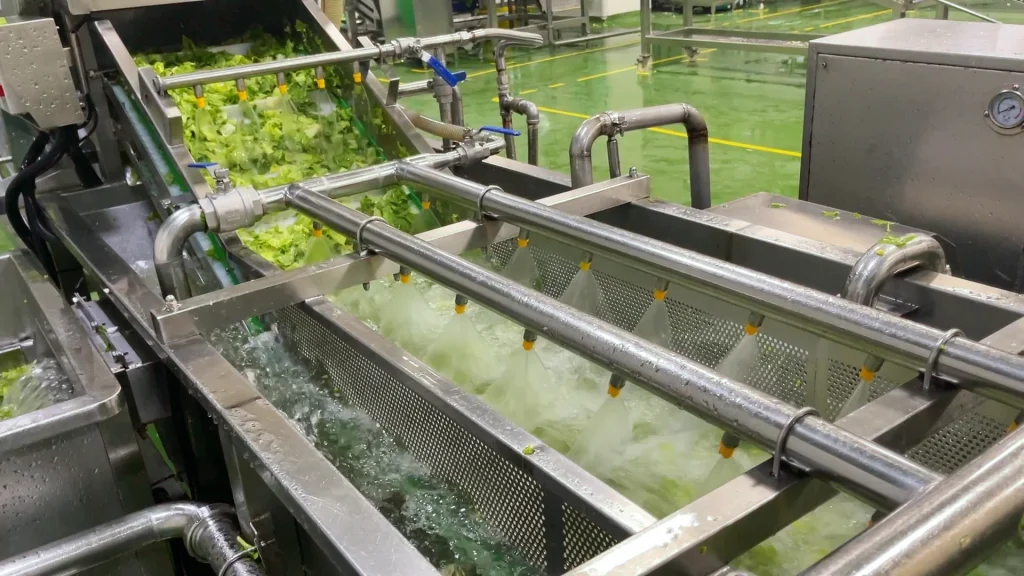
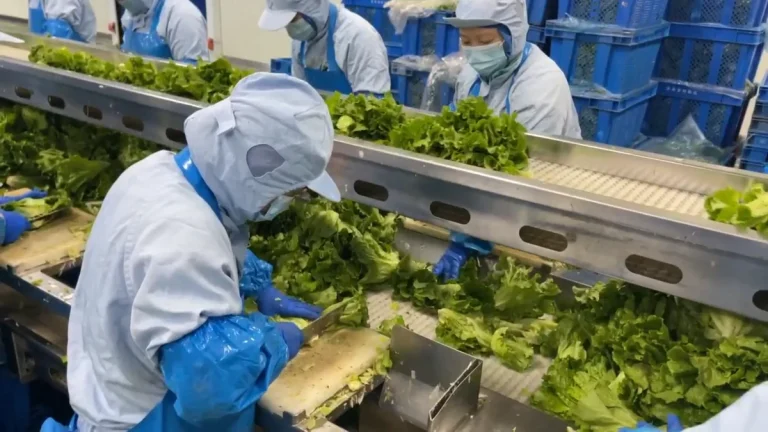
Designed for whole vegetables such as lettuce, coriander and spinach that require washing before downstream dewatering and packing.
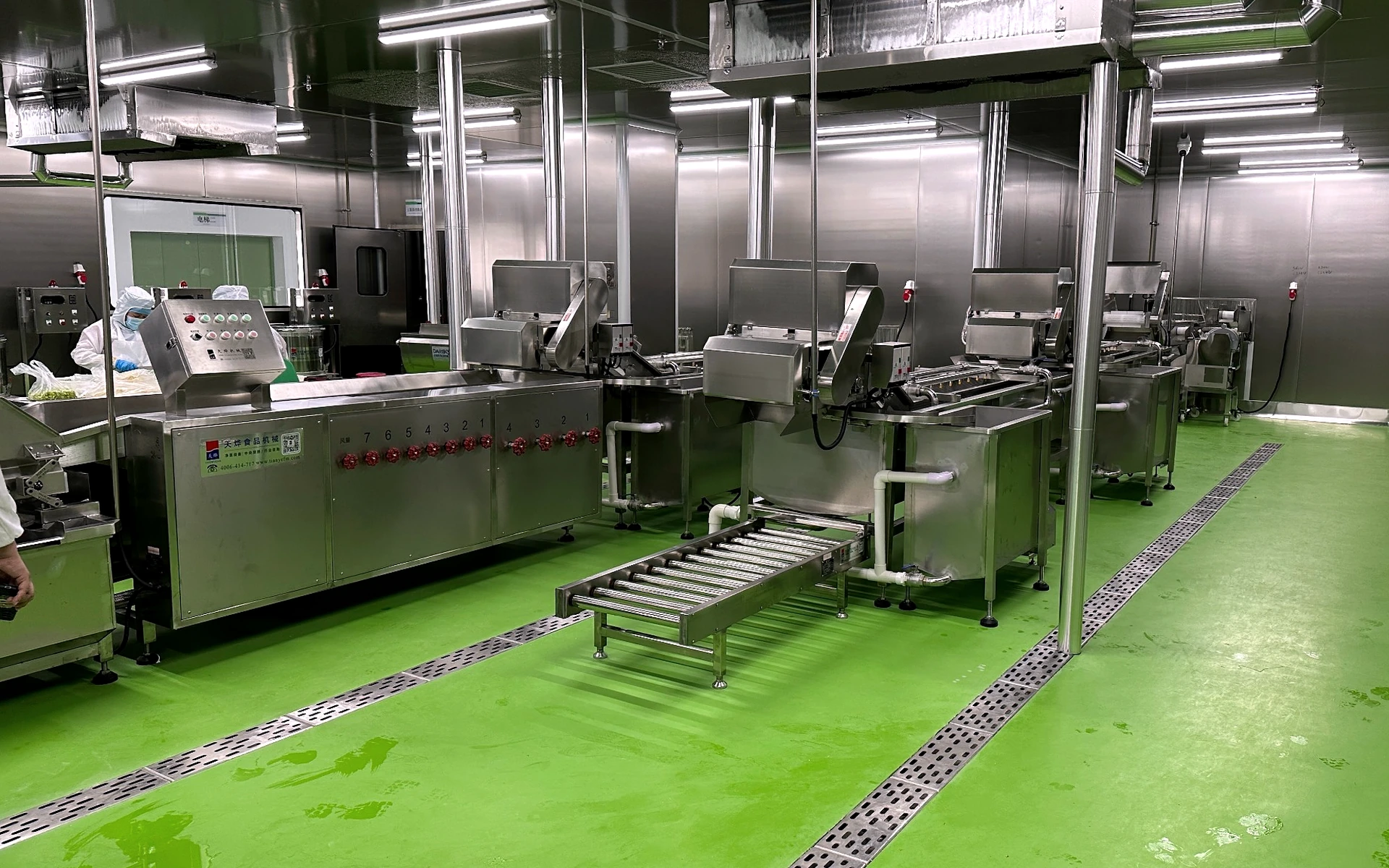
Plan cutting, washing, controlled treatment, dewatering and transfer around the product, hygiene zone and required pack condition.
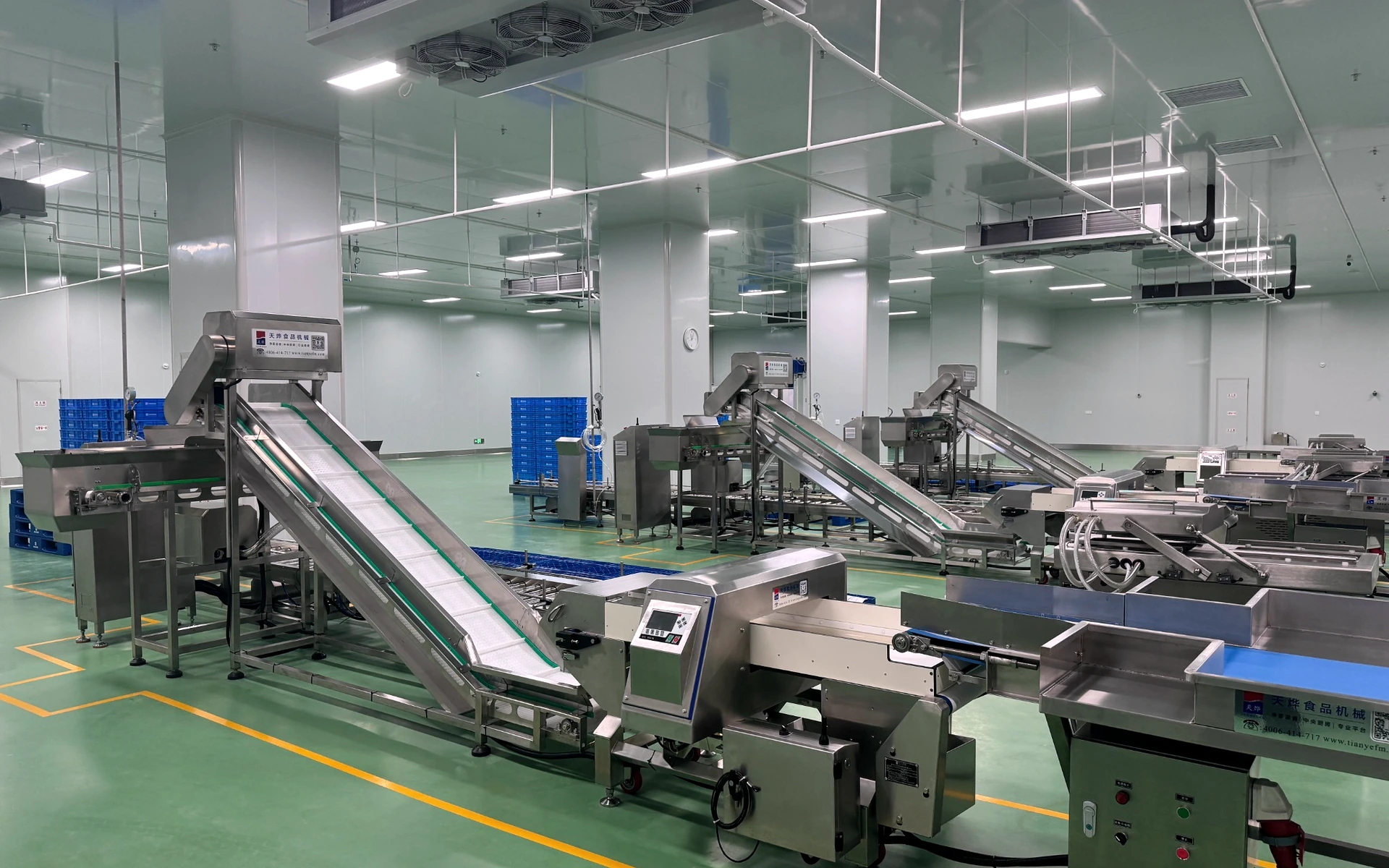
Plan dedicated preparation routes around product category, hygiene zoning, required capacity and downstream kitchen operations.
ABOUT TEEMYEAH
TEEMYEAH designs and manufactures food preparation equipment and integrated processing lines for fresh-cut produce, ready-to-eat salad, central kitchens and industrial food operations.
Each project starts with the product itself: the raw material, required final format, usable output, hygiene requirements and available floor space. From these inputs, we configure the processing steps, equipment interfaces and practical line layout instead of beginning with a fixed machine list.
Whether the requirement is a standalone machine, an upgrade to an existing process or a complete processing line, our team supports equipment selection and project configuration around the customer’s actual production conditions.
Raw Material
Final Product
Required Output
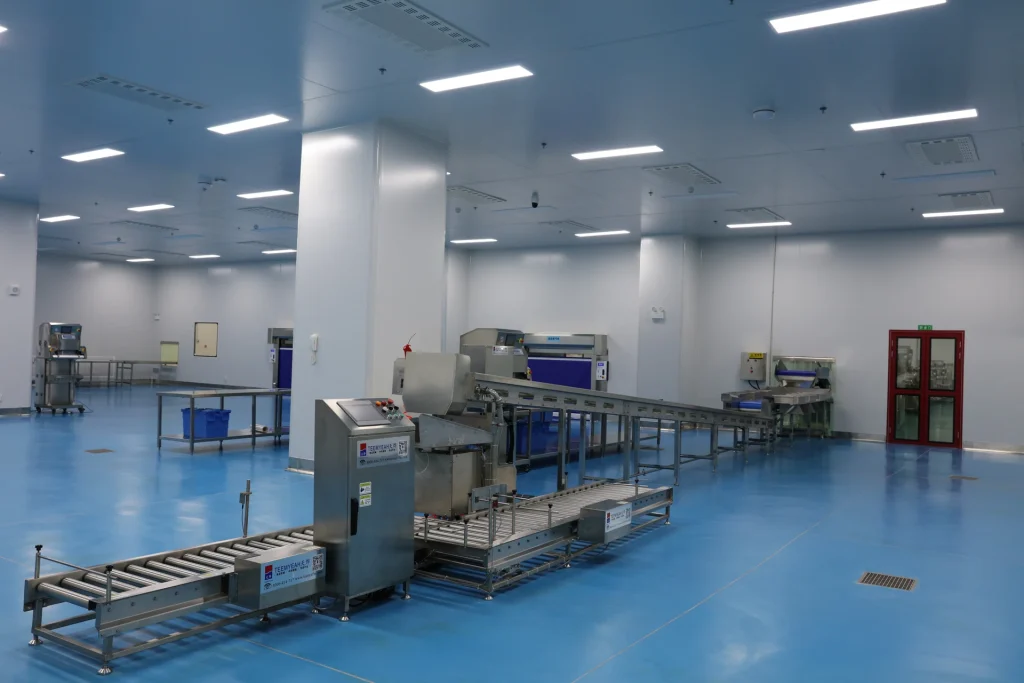
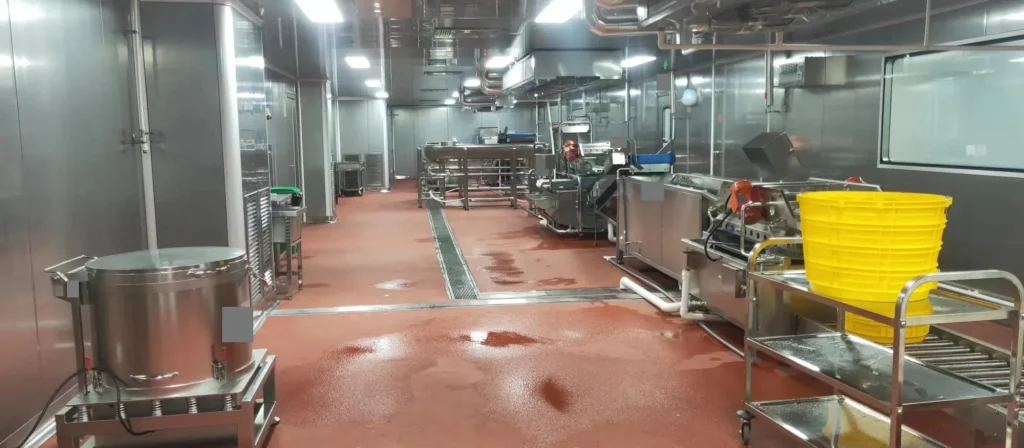
Site & Hygiene Requirements
START WITH YOUR RAW MATERIAL
Different products respond differently to peeling, cutting, washing, water movement and dewatering. Start with your raw material to find the most relevant equipment, process guidance and line options.
01 / 05
Delicate leaves require controlled handling through preparation, washing, treatment and dewatering. Explore processing options designed to protect product quality while supporting consistent production.
02 / 05
Build the right sequence for soil removal, washing, peeling, cutting and inspection across potatoes, carrots, cassava, sweet potatoes and other root crops.
03 / 05
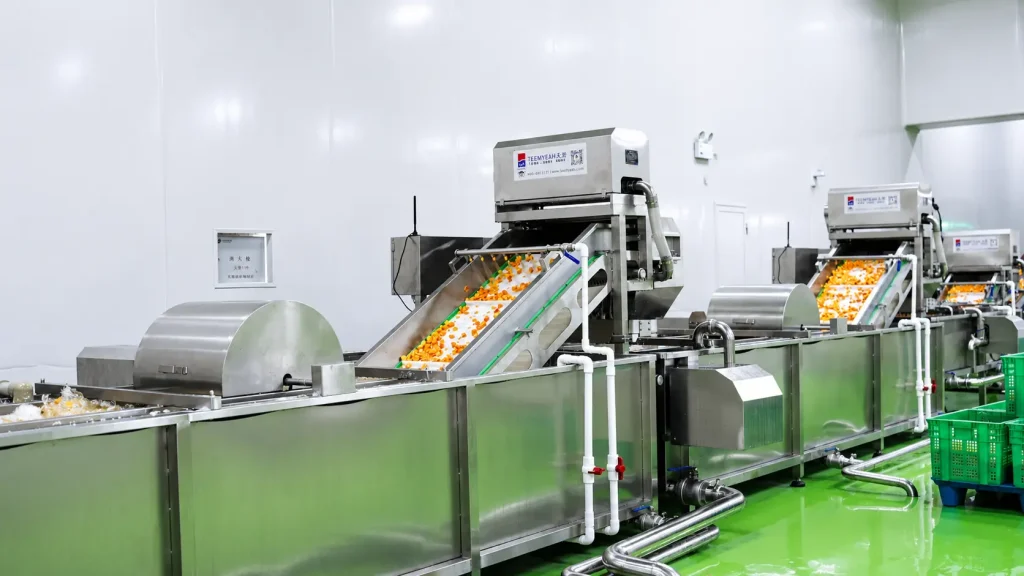
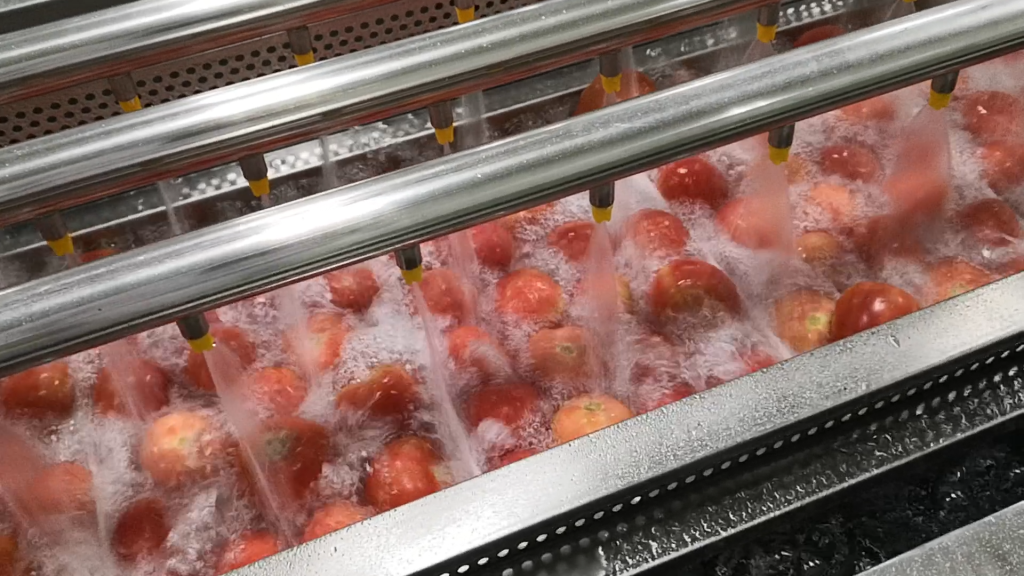
Find equipment and process options for washing, sorting, trimming, cutting and handling fruit and mixed fresh produce according to product condition and final format.
04 / 05
Review preparation, cutting, slicing, dicing and handling equipment for meat and poultry applications, matched to the required product format and production volume.
05 / 05
Connect line-level control, equipment status, selected process monitoring and operating records. Define the required data points and plant-system interfaces around your equipment and project scope.
CHOOSE BY PROCESSING TASK
If the process step is already clear, browse equipment by task and compare the options most relevant to your product and required output.
01
Trim, sort and stage raw materials before processing.
→
02
Choose peeling methods for your product, surface condition and required finish.
→
03
Slice, dice, shred, julienne or portion to the required format.
→
04
Match washing action, flow and time to the product and contamination load.
→
05
Integrate treatment and monitoring steps where the application requires them.
→
06
Dewater by vibration, centrifugal or air-based methods to suit the product and next process.
→
07
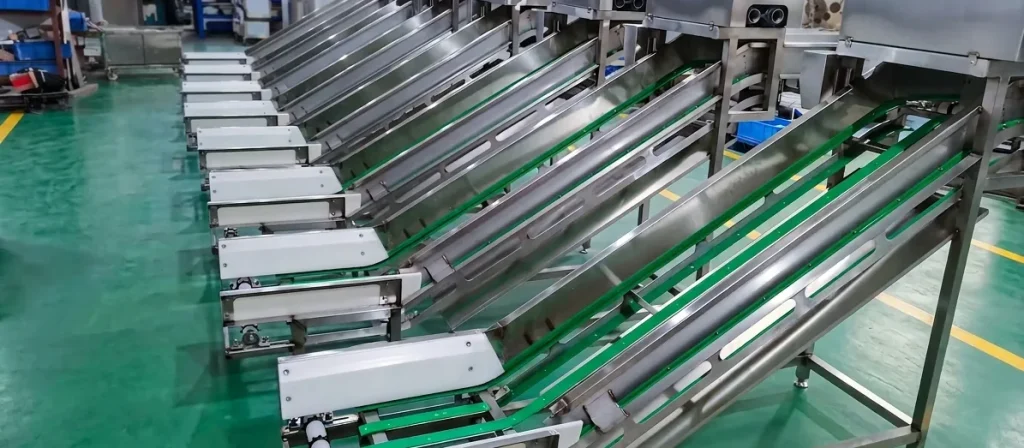
Connect stages with controlled transfer, inspection and product removal.
→
08
Prepare products for weighing, portioning, vacuum packing or downstream packaging.
→
PROCESSING LINE SOLUTIONS
Explore integrated line concepts for different products, hygiene requirements, output targets and operating environments.
Configure preparation, washing, controlled treatment, dewatering and downstream handling for ready-to-eat salad production, based on the required product mix and hygiene plan.
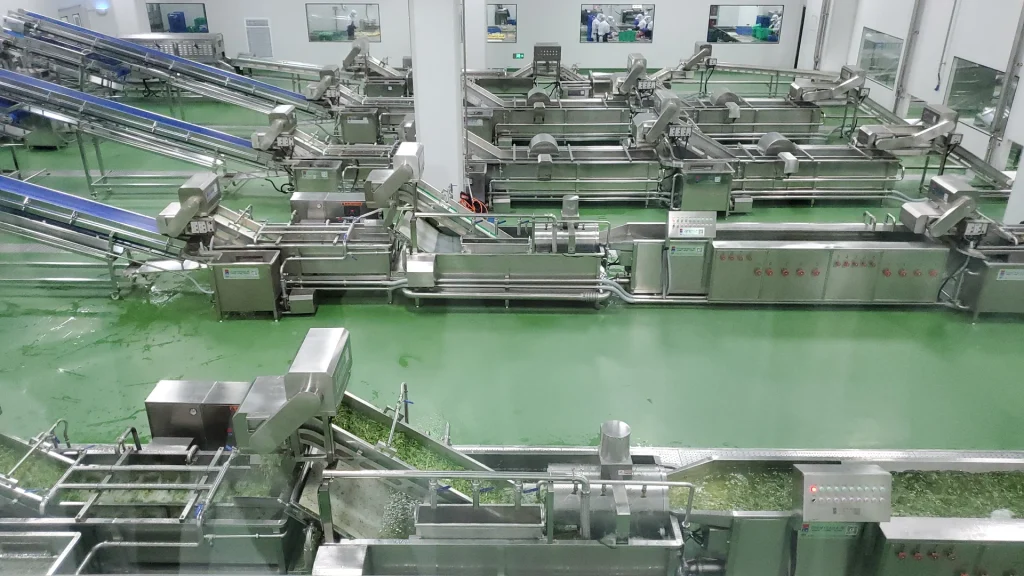
Connect preparation, washing, inspection and moisture-removal steps for whole or cut leafy vegetables while accounting for product sensitivity and required throughput.
Build a practical sequence for soil removal, washing, peeling, cutting, inspection and downstream handling across root vegetables and tubers.
Combine suitable standalone machines and process stages for central kitchens and food processors handling multiple raw materials, product formats and production schedules.
INDUSTRIES WE SUPPORT
The right configuration depends not only on the product, but also on how the facility schedules production, manages hygiene and connects each processing stage.
Prepare, wash and dewater produce.
→
Match the kitchen’s product mix.
→
Prepare ingredients for meal service.
→
Match outlet formats and schedules.
→
Prepare fresh products for retail.
→
Link intake with downstream handling.
→
SELECTED PROJECTS
See how equipment and process configurations were developed around different products, capacities, layouts and operating requirements.
Fresh-Cut & Healthy-Meal Production
Fit a salad line around existing preparation.
Scope: site-specific dimensions and interfaces.
Washing channels and transfer equipment.
Produce Processing & Food Supply
Improve access within an existing equipment arrangement.
Scope: conveyors and processing-unit replacement.
Quick-release connections for cleaning and maintenance.
Catering & Prepared Meals
Coordinate equipment with site-readiness milestones.
Scope: interim and permanent line configurations.
Preparation, washing and dewatering interfaces.
ENGINEERING & PROJECT SUPPORT
A processing project has to work beyond the equipment list. Product behavior, equipment interfaces, utilities, hygiene zoning, testing and on-site responsibilities all affect the final result.
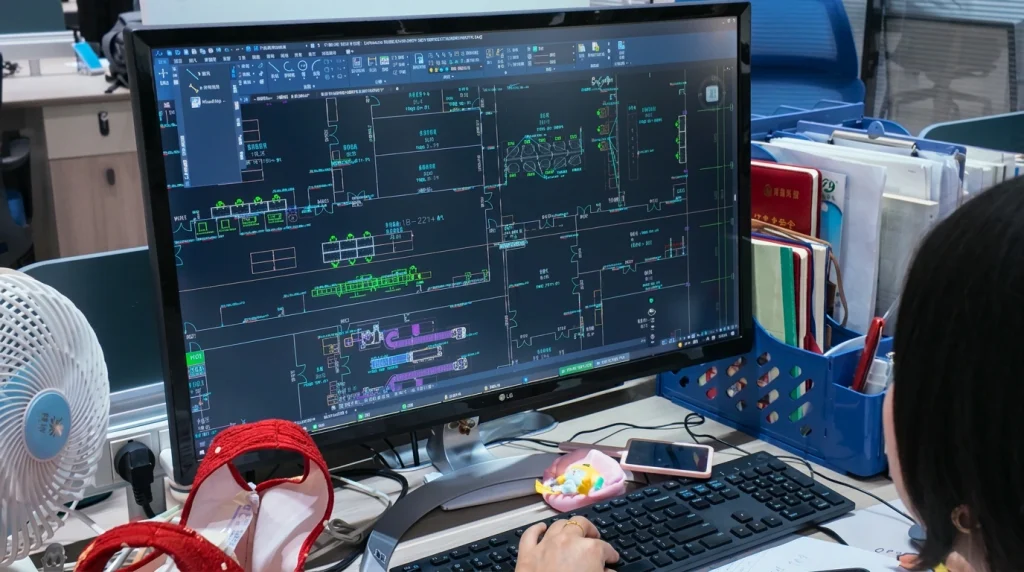
We review the raw material, finished-product requirements, target output, available space and upstream or downstream interfaces before defining the equipment configuration.
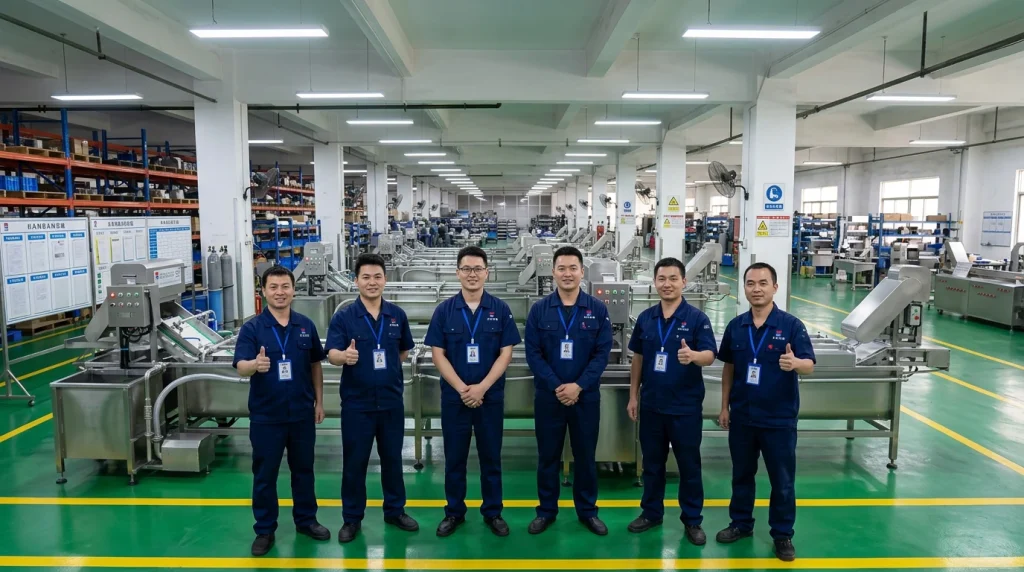
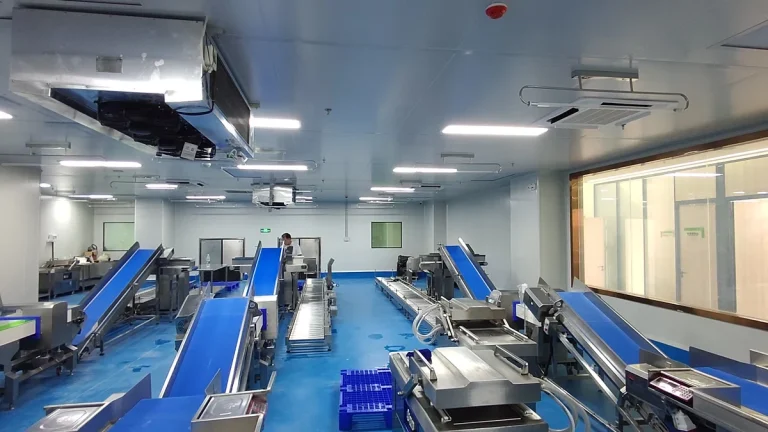
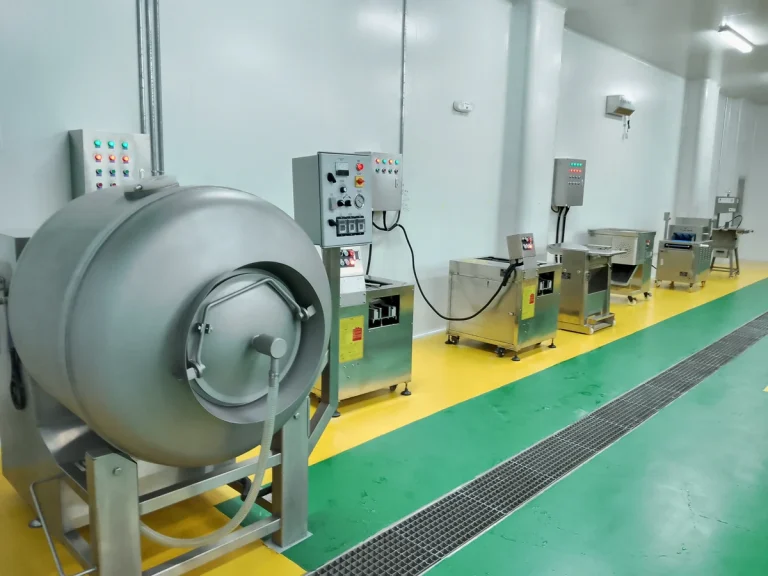
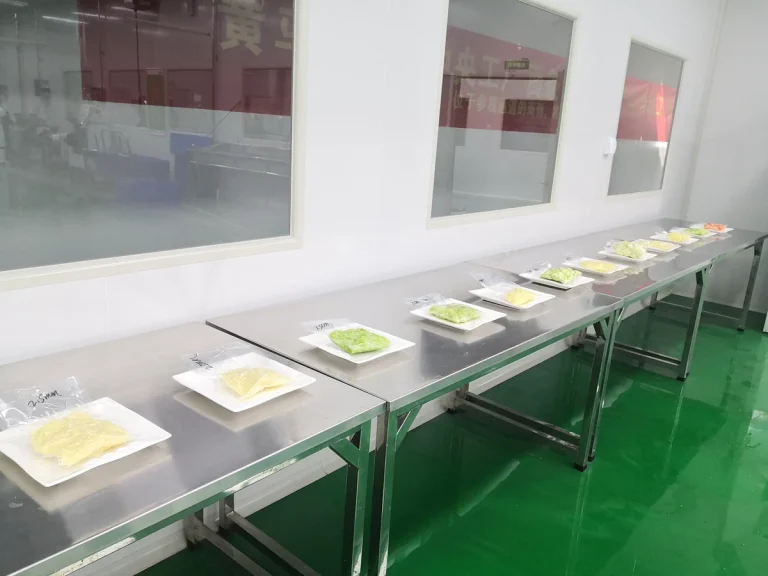
Equipment is manufactured and checked against the agreed specification, with factory testing and product trials arranged where they form part of the confirmed project scope.
Installation guidance, commissioning, operator training, spare parts and remote technical support are planned according to the equipment, destination and agreed service scope.
01
Confirm the product, process objective, target output, utilities, floor space and project boundaries.
02
Select the process stages, define equipment interfaces and arrange applicable product testing.
03
Build, inspect and prepare the equipment according to the confirmed technical scope.
04
Support installation, commissioning, training and continued operation according to the agreed project plan.
PROCESS KNOWLEDGE
Explore practical guidance on equipment selection, process design, capacity planning, hygiene considerations and project preparation.

Summary A food processing equipment factory acceptance test is a pre-shipment verification event in which the buyer and

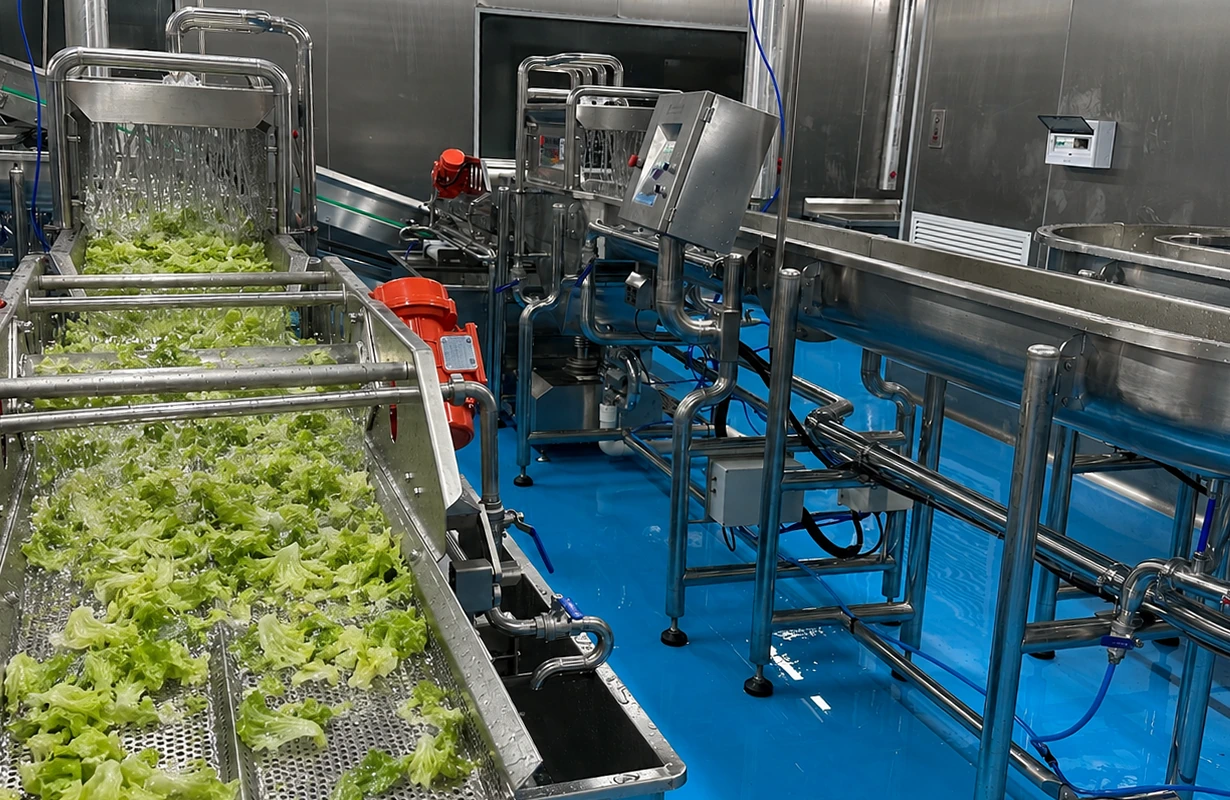
Summary A useful food processing line requirements checklist does more than tell a buyer which boxes to complete
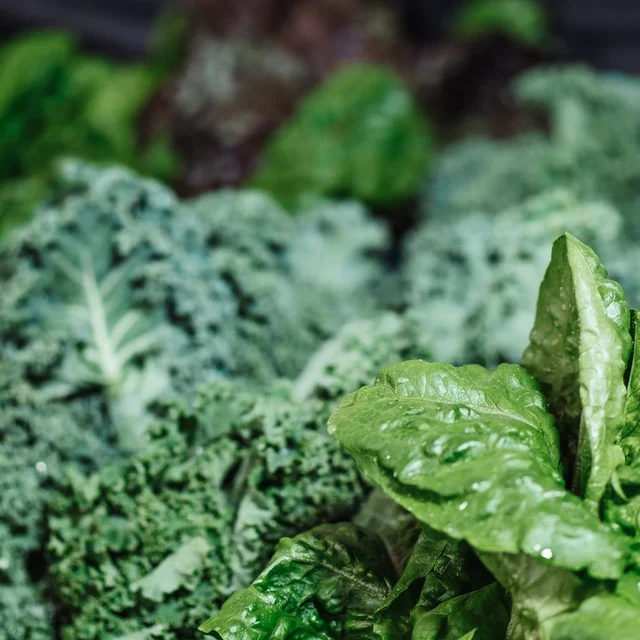
Summary Vegetable washing and sanitizing are related operations, but they are not interchangeable controls. Washing primarily removes soil,
TEEMYEAH is approximately 26 km from the Canton Fair Complex—typically 35–50 minutes by car, depending on traffic. Arrange a factory visit during your Guangzhou trip.
START YOUR PROJECT
Tell us what you process, the finished product you need, your target output and the space available. We will use these inputs to recommend the most relevant equipment and processing approach for further discussion.
Useful details include your raw material, daily or hourly volume, required cut or finished format, available layout and current processing method.